Data pipelines and sync
Scheduled and event-driven pipelines from shop, ERP, marketing and other systems – incremental where possible, with retries, paging within the limits of each API and backfills for history.
We build the pipelines and the data model that bring shop, ERP and marketing data together: synchronised on a schedule, reconciled against the source systems and ready for dashboards, forecasts and AI. We run a platform like this ourselves – on PostgreSQL, with hourly catalogue syncs and a unified order history from Shopify and plentymarkets.
Every source in one model
ExampleSources
One model, one source of truth
orders_unified
hourly sync
Orders per week · all channels
Is this you?
The data is there – spread over the shop, the ERP, the marketing tools and a few spreadsheets. What is missing is one place where it fits together.
The shop reports one revenue figure, the ERP another, the marketing tool a third. Every meeting starts with the question of whose number is right.
Someone exports CSV files and merges them in a spreadsheet. The report is out of date when it is finished, and nobody else can reproduce it.
Many interfaces return only the current state or a limited window. Without your own storage, the picture from last year cannot be reconstructed.
Forecasting and AI need clean, joined, historical data. Without that foundation every model is guessing.
What we build
We build the layer between your operational systems and everything that wants to read from them. Six areas we work in:
Scheduled and event-driven pipelines from shop, ERP, marketing and other systems – incremental where possible, with retries, paging within the limits of each API and backfills for history.
One relational model on PostgreSQL in which orders, products, customers and stock from different systems mean the same thing. Documented, with keys that match across sources.
One order history and one product catalogue across shops and ERP, with sales figures per product – the way we run it for the stores we operate.
Counts and totals checked against the source systems, duplicates and gaps detected, differences reported instead of silently carried along.
Dashboards and scheduled reports on top of the model: revenue, stock, customers, marketing – with the same definitions in every view.
Prepared, historical data sets that forecasting models and AI agents can work with – including rules for who and what may read which data.
How it works
We agree on the model before we build pipelines, and we connect one source at a time. Each load is checked against the system it came from.
We list the systems, their interfaces and limits, and the questions the data should answer. You get a written plan: sources, target model, order of work.
Entities, keys and definitions – what counts as an order, as revenue, as a customer – agreed in writing before the first pipeline is built.
Pipelines are built source by source, history is loaded and each load is reconciled against the source system.
The first dashboards and reports on the new model, plus access for your tools and your team.
Monitoring with alerts for failed or late loads, scheduled reconciliations and new sources when you need them. Or a hand-over to your team.
Proof
Stores we operate. Their daily business runs on the platform we built for our own operations – production, not a demo setup.
Migration · Long-term partnership
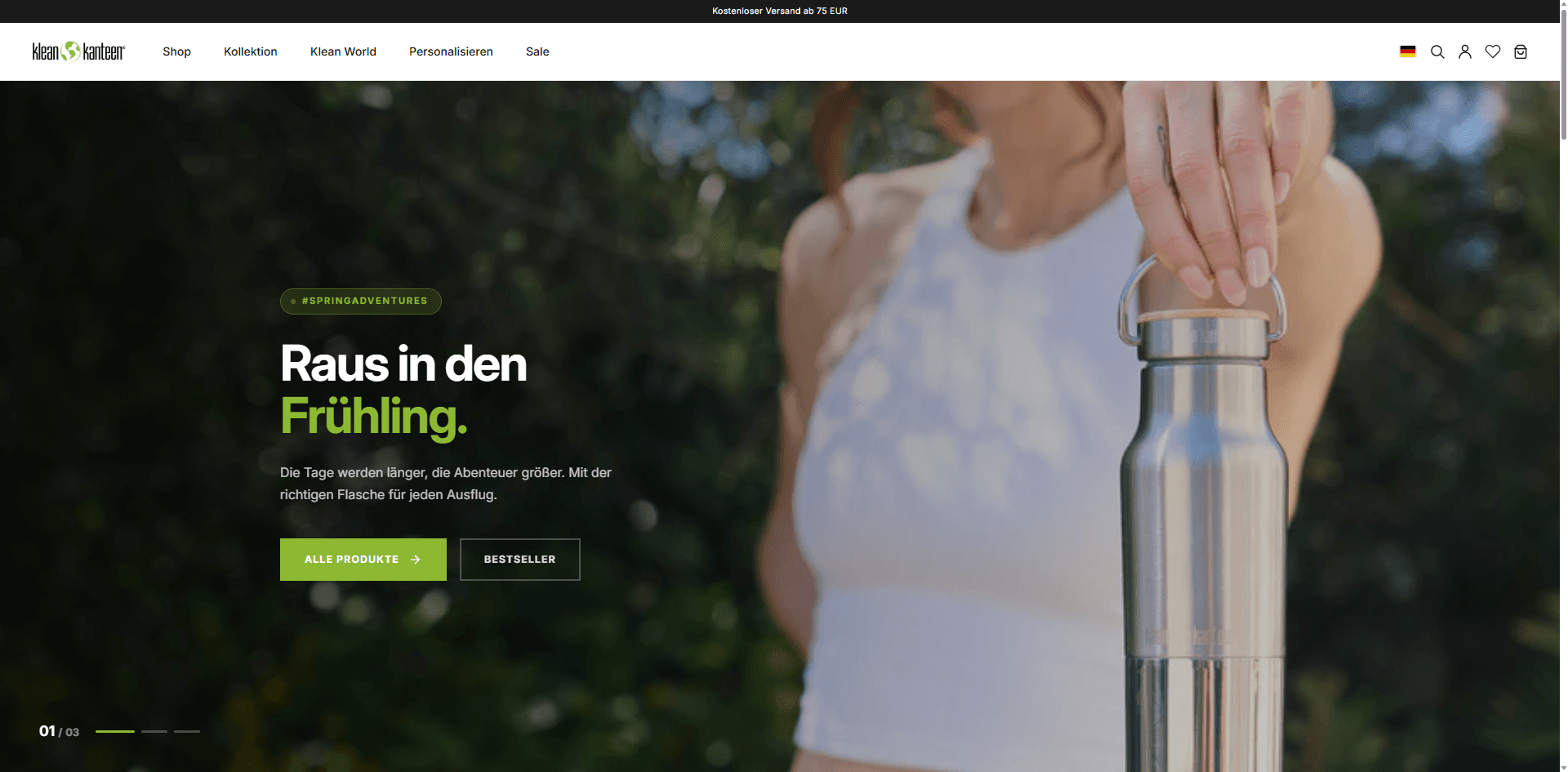
Klean Kanteen Germany, operated since 2017: Shopify store connected to warehouse management and the fulfilment partner, with catalogue, orders and campaigns handled in daily operations.
Migration
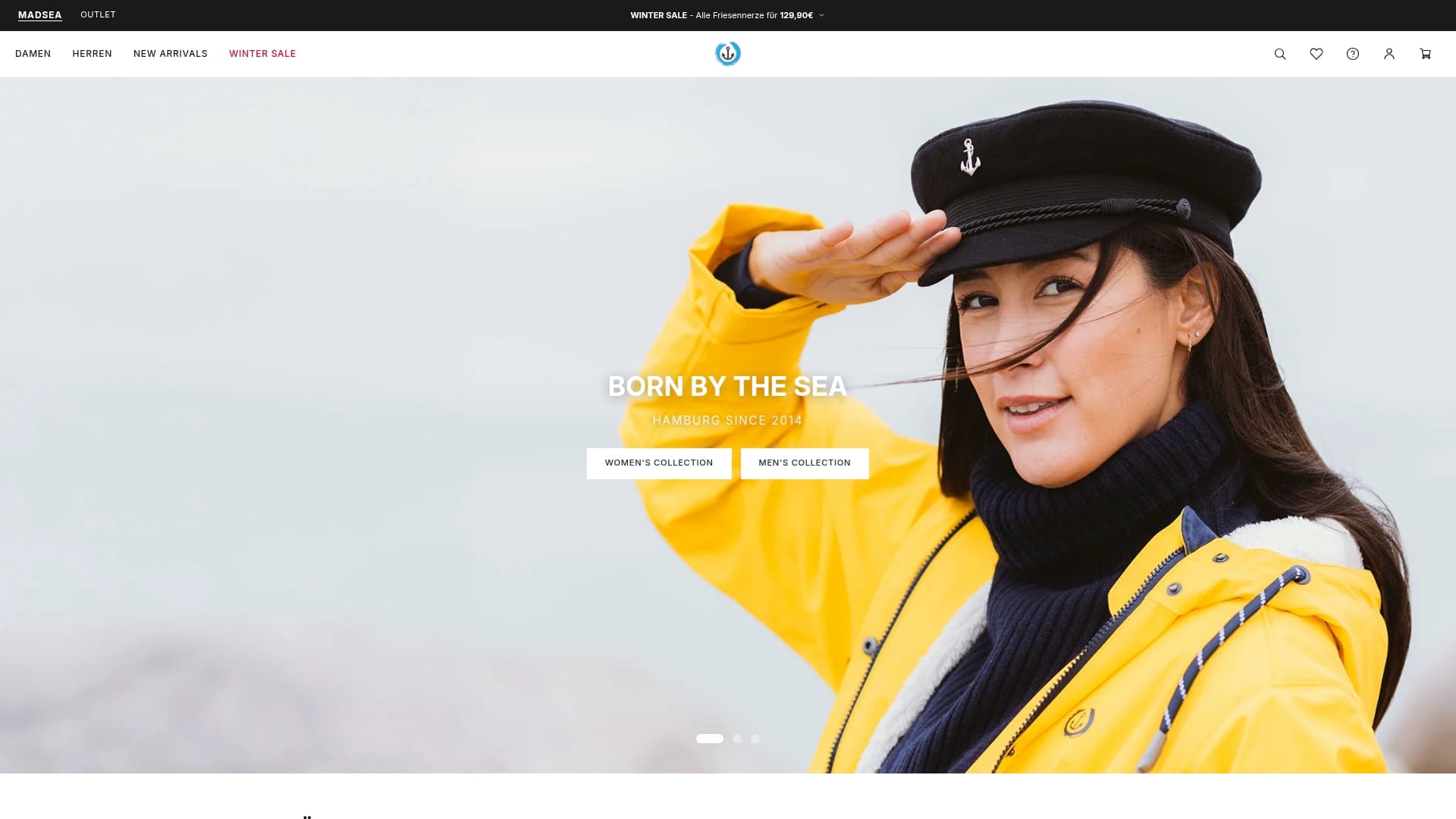
MADSea: a Shopify store we run operationally – catalogue and order sync into our operations platform, loyalty programme computed from order data, events passed on to Klaviyo.
Working together
A data platform is useful when people trust its numbers. So every pipeline is reconciled against its source before anyone builds a report on it. Scope and price are agreed in writing before we build.
Getting started
Sources, interfaces, definitions and the target model – written down before anything is built.
The foundation
Database, pipelines, backfill of history and the first dashboards, connected source by source.
Keep it running
We run the pipelines, react when an interface changes and add sources, reports and data sets as you need them.
FAQ
Tell us. We come back with a slot for a first call and a first take on which sources and which model it would need – no obligation.